
How to Extend the Life of Your Washer and Dryer
Fri Dec 12 2025
- Maintenance & Care
Keeping your washer and dryer running smoothly isn’t just about avoiding repair bills; it’s about protecting two of the most essential appliances in your home. With the right care routine, you can add years to their lifespan, improve performance, and cut long-term energy costs. Whether you’re working with a high-efficiency front-loader or a traditional top-loader, a vented dryer or a modern ventless model, the right maintenance practices make all the difference.
This guide breaks down the most effective ways to extend the life of your washer and dryer. These tips are simple, evidence-based, and easy to build into your routine, no complicated work or specialty tools required.

Why Proper Washer and Dryer Maintenance Matters
Your washer and dryer work hard, multiple cycles a week, sometimes every day. Without proper care, buildup of detergent, lint, and mineral deposits can strain mechanical parts, reduce efficiency, and lead to early failure.
Key benefits of regular care include:
-
Fewer repairs: Routine maintenance helps catch small issues before they become major malfunctions.
-
Better performance: Clean, well-maintained appliances clean more effectively and dry more efficiently.
-
Lower utilities: Efficient appliances use less water and energy, saving you money over time.
-
Extended lifespan: A washer and dryer can last 10-15 years or more with proper use and upkeep.
With just a few preventive steps, you protect your investment and keep your laundry routine running smoothly.
Top Ways to Extend the Life of Your Washer and Dryer
1. Don’t Overload Your Washer or Dryer
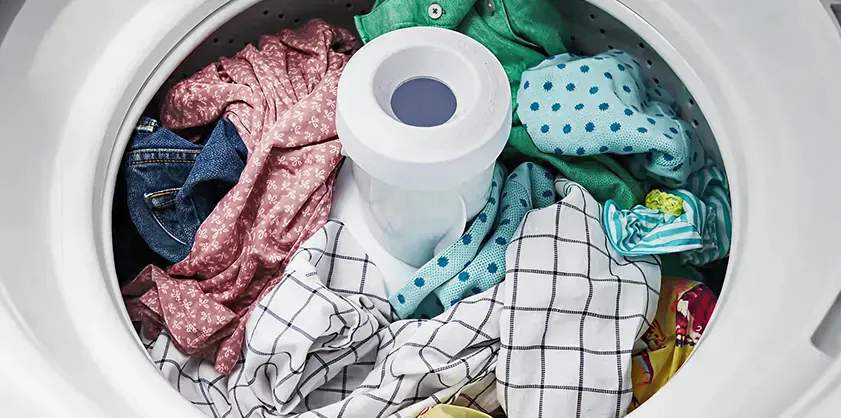
Overloading is one of the fastest ways to wear out laundry appliances. When a washer is too full, the motor, bearings, and suspension system must work harder. In a dryer, overloaded drums prevent proper tumbling, causing longer dry times and excess strain on the motor and belt.
How to avoid overloading:
-
Fill the drum ¾ full at most. Clothes need room to move.
-
Wash bulky items separately (comforters, blankets, etc.).
-
Don’t combine heavy fabrics (jeans, towels) with lightweight items.
Sticking to the manufacturer's load recommendations helps reduce mechanical stress and keeps cycles running efficiently.
2. Use the Right Kind and Amount of Detergent
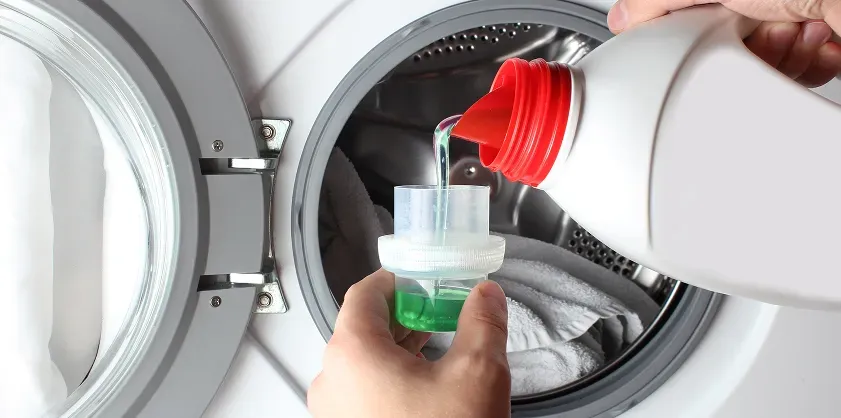
Too much detergent can create residue inside your washer, clog components, and cause foul odors over time. High-efficiency (HE) washers are especially sensitive to excess suds.
Best practices:
-
Always use HE detergent in high-efficiency machines.
-
Follow the detergent cap lines, not “eyeballing” amounts.
-
Reduce detergent when washing lightly soiled loads.
Using the right detergent prevents buildup in the drum, hoses, and pump, helping your washer operate smoothly and efficiently for years.
3. Clean the Washer Drum and Gasket Regularly
Residue from detergent and fabric softener can accumulate inside the washer drum. For front-load washers, the rubber door gasket can trap moisture and debris, leading to mildew and odors.
Maintenance tips:
-
Run a monthly cleaning cycle using either a washer-cleaning tablet or a vinegar rinse.
-
Wipe the door gasket weekly with a damp cloth and mild soap.
-
Leave the washer door open after each use to allow ventilation.
These small habits dramatically reduce odor problems and keep the washer’s internal components cleaner.
4. Keep the Lint Filter Clean on Your Dryer
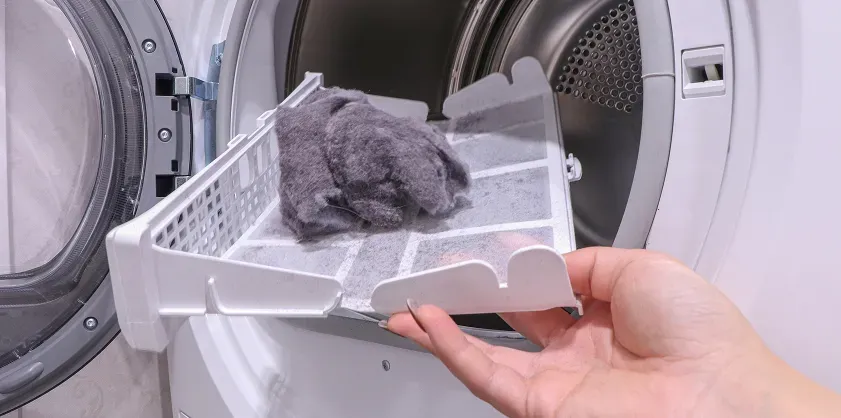
A clogged lint filter makes your dryer work harder, increases drying times, and can become a fire hazard.
What to do:
-
Clean the lint trap before or after every cycle, no exceptions.
-
Wash the lint trap monthly with warm water to remove fabric softener film that blocks airflow.
Good airflow helps protect your dryer’s motor and heating element from overheating.
5. Deep Clean the Dryer Vent System
Even with good lint trap cleaning habits, lint still builds up in your vent and exhaust duct over time. Blocked vents reduce efficiency and create one of the most common dryer-related safety hazards.
Recommended routine:
-
Have your dryer vent professionally cleaned once a year.
-
Check the outside vent flap to ensure it opens freely during operation.
-
Avoid long or sharply bent vent ducts, which trap lint more easily.
A clean vent improves your dryer’s airflow, lowers energy use, and helps prevent mechanical strain.
6. Level Your Washer and Dryer to Reduce Vibration
An unbalanced washer or dryer vibrates excessively, placing unnecessary stress on internal components.
How to fix it:
-
Make sure all four feet are firmly touching the floor.
-
Use a carpenter’s level to adjust feet until the unit is balanced.
-
Avoid placing heavy items on top of appliances that can shift weight unevenly.
Proper leveling protects your washer’s suspension system and keeps the dryer stable during cycles.
7. Inspect Hoses and Vents Often
Washer inlet hoses, drain hoses, and dryer vents age over time. Cracks, brittleness, or blockages can lead to leaks or airflow problems.
Prevent major issues by checking for:
-
Bulging or cracked washer hoses
-
Loose connections at the wall or back of the washer
-
Collapsed or crushed dryer vents behind the unit
Replacing hoses every 5 years, or sooner if worn, can prevent costly water damage and keep your washer and dryer running safely.
8. Allow Machines to Fully Finish Cycles
Stopping, restarting, or opening the washer or dryer mid-cycle can put strain on the appliance’s motor, drive belt, and control board.
Best habit:
-
Let cycles complete naturally. This protects the washer’s pump and the dryer’s heating elements.
-
Choose the correct cycle type at the start to avoid manual interruptions.
Letting your appliances do their job without interruptions reduces stress on internal components.
9. Keep the Area Around Your Appliances Clean
Dust, lint, and debris can accumulate behind and underneath your washer and dryer. This buildup can affect airflow, clog cooling vents, and create extra heat around your appliances.
Smart routine:
-
Sweep or vacuum around the appliances monthly.
-
Pull appliances forward a few times per year to clean behind them.
-
Ensure there’s adequate room for ventilation around the dryer.
A clean environment helps the motor and cooling systems operate more efficiently.
10. Know When It’s Time to Upgrade
Even with excellent maintenance, all washers and dryers eventually reach the point where repairs become too frequent, cycles take longer, or overall efficiency starts to drop. Recognizing the signs early helps you avoid expensive emergency repairs, water damage, or performance issues that impact your daily routine.
Key Signs Your Washer or Dryer May Need Replacing
-
Frequent or expensive repairs: If you’re calling a technician more than once a year, or if a single repair costs more than 50% of the price of a new unit, it’s usually more cost-effective to upgrade. Parts like motors, control boards, and transmission systems can be costly and often aren’t worth replacing on older models.
-
Excessive noise or vibration: Loud banging, grinding, or shaking typically means internal components like bearings, suspension rods, or the drum assembly are worn out. These repairs are often expensive and sometimes impossible on older units due to discontinued parts.
-
Inefficient cleaning or drying: Washers that leave residue, require multiple rinses, or don’t spin effectively, and dryers that take longer than usual to dry a normal load, often indicate aging motors or failing heating elements.
-
Rising utility bills: Older appliances can use significantly more water and electricity. Modern ENERGY STAR® washers use about 25% less energy and up to 40% less water, while newer dryers use advanced sensors that prevent over-drying.
-
Visible wear and tear: Rust, persistent leaks, cracked hoses, and inconsistent heating are all strong indicators that your laundry pair is past its prime.
Benefits of Upgrading to a Modern Laundry Pair
When you choose to upgrade, you’re not just replacing old machines, you’re improving your home’s efficiency, convenience, and long-term savings. Today’s washers and dryers offer:
-
Advanced sensor technology for precise wash and dry times
-
High-efficiency wash systems that conserve water without sacrificing cleaning power
-
Better vibration control, especially in front-load washers
-
Smart features like remote start, cycle notifications, and troubleshooting apps
-
Steam cleaning options for deeper stain removal and fabric refresh cycles
-
Faster dry times with improved airflow systems
-
Quieter operation for small homes or apartment living
These upgrades offer major day-to-day benefits while helping reduce long-term appliance wear and utility costs.
Explore Top Washers, Dryers, and More at Jessup’s
Extending the life of your washer and dryer doesn’t require complicated work, just consistent, simple habits. From cleaning the lint filter and drum to avoiding overloads and checking vents, these small steps significantly improve performance and longevity. With proper care, your laundry appliances can serve your household reliably for many years.
We offer selections from top brands in the appliance industry for appliance categories across your home living space, including refrigeration, cooking, kitchen cleanup, and more.
Visit one of our appliance stores in Sarasota, Venice, or Port Charlotte, FL, or browse online to compare washer and dryer features, see what’s in stock, and find the right fit for your home. Don’t forget to explore our appliance clearance center!
Read more from our blog:
FAQs: How to Extend the Life of Your Washer and Dryer
How long should a washer and dryer last?
Most machines last 10-15 years with proper maintenance, though high-quality models may last even longer with regular cleaning and care.
Why does my dryer take so long to dry clothes?
This is often caused by lint buildup in the vent or lint trap. Cleaning both usually improves cycle times significantly.
Do front-load washers need more maintenance than top-loaders?
Front-loaders require more frequent gasket cleaning due to moisture retention, but overall maintenance is similar.
Should I use fabric softener in modern washers?
Use sparingly; fabric softener can create residue that leads to buildup. Dryer balls are a low-maintenance alternative.
Can overloading really damage my washer?
Yes. Overloading strains the motor, bearings, and suspension system, leading to unnecessary wear and potential breakdowns.
Related Articles