
Gas vs. Electric Dryers: Which One Should You Choose?
Wed May 13 2026
- Appliance Buying Guides
- Laundry Appliances
Choosing between a gas vs electric dryer is one of the most important decisions when upgrading your laundry room. While both get the job done, they operate differently, install differently, and impact long-term utility costs in different ways.
If you’re trying to figure out which option makes the most sense for your home, the right answer usually comes down to utility access, installation flexibility, and long-term operating cost.
Key Takeaways: Gas vs Electric Dryers
-
Gas dryers use natural gas for faster drying and lower long-term operating costs
-
Electric dryers are typically easier and less expensive to install upfront
-
Gas models often dry clothes faster and more efficiently per cycle
-
Electric dryers are more widely compatible with homes that lack gas hookups
-
The best choice depends on your utility setup, budget, and laundry habits
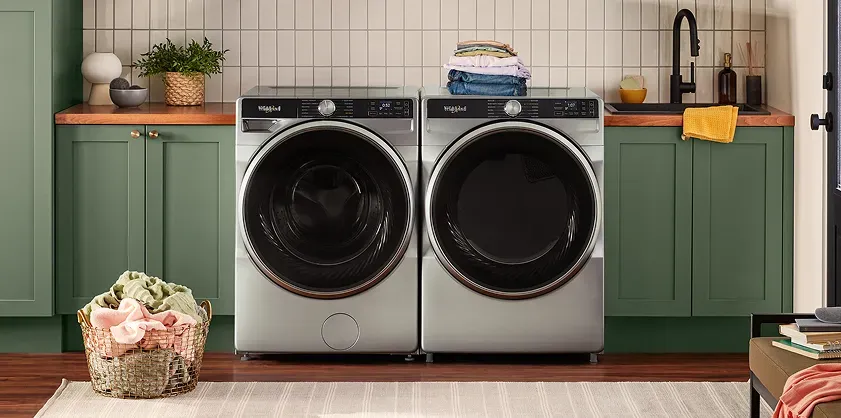
How Gas Dryers Work
Gas dryers use a natural gas burner to generate heat, while electricity powers the drum and controls.
-
Gas combustion creates heat that warms the air inside the drum
-
A blower system circulates the heated air through wet clothes
-
Moisture is pulled from fabrics and vented outside the home
-
Electricity is still used for drum rotation, sensors, and controls
Because gas produces heat quickly and efficiently, these dryers tend to operate with shorter cycle times and lower energy costs per load.
How Electric Dryers Work
Electric dryers rely entirely on electricity to generate heat and power all components.
-
Electric heating elements warm incoming air
-
A motor rotates the drum while heated air flows through the clothes
-
Moisture is removed and vented outside through a duct system
-
Temperature and cycle settings are controlled electronically
Electric dryers are widely used because they require no gas connection and are compatible with most homes.
Gas vs Electric Dryers: Key Differences
1. Installation Requirements
Gas dryers require a natural gas line connection, plus a standard electrical outlet for controls. This can limit installation options in some homes.
Electric dryers only require a 240V electrical outlet, making them easier to install in most laundry spaces without additional utility work.
2. Drying Performance
Gas dryers typically heat up faster and maintain higher heat efficiency, which can result in shorter drying cycles.
Electric dryers may take slightly longer to reach optimal drying temperatures, but modern models still deliver strong performance for everyday laundry needs.
For large households or frequent laundry loads, gas dryers often provide a time advantage.
3. Energy Efficiency and Operating Cost
Gas dryers are generally more cost-effective to run over time because natural gas is often cheaper than electricity per unit of energy.
Electric dryers may have higher long-term operating costs, depending on local utility rates. However, newer energy-efficient electric models help reduce this gap.
4. Upfront Cost vs Long-Term Value
Electric dryers are usually less expensive upfront, making them a popular choice for budget-conscious buyers or homes without gas access.
Gas dryers often cost more initially due to additional components, but they may save money over time through lower energy usage.
5. Maintenance and Safety
Both dryer types require proper maintenance, but there are slight differences:
-
Gas dryers should be periodically checked for gas line safety and proper ventilation
-
Electric dryers require attention to venting and lint buildup, similar to gas models
-
Both require regular cleaning of lint traps and ducts for safety and efficiency
Proper installation and maintenance are key for both types.

Pros and Cons of Gas Dryers
Gas Dryer Pros
-
Faster Drying Times: Gas dryers heat up more quickly than electric models, which allows them to dry clothes in less time. This is especially helpful for large households or anyone running multiple loads back-to-back. Shorter cycle times can also reduce overall wear on fabrics over time.
-
Lower Long-Term Operating Costs: Natural gas is typically less expensive than electricity, which means gas dryers often cost less to run over time. If you do laundry frequently, these savings can add up quickly. Over the lifespan of the appliance, the lower energy cost can offset the higher upfront price.
-
More Energy Efficient Per Cycle: Because gas dryers generate heat more efficiently, they use less energy per load compared to standard electric dryers. This makes them a strong choice for homeowners focused on long-term efficiency. They also tend to maintain consistent heat levels throughout the cycle.
-
Ideal for High Laundry Demand: If you have a large family or frequently wash bulky items like towels and bedding, a gas dryer can handle the workload more efficiently. Faster cycles and consistent heat make it easier to keep up with high laundry volume.
Gas Dryer Considerations
-
Requires Gas Line Installation: Gas dryers need a natural gas connection, which isn’t available in every home. If your laundry space doesn’t already have a gas line, installation can add time and cost to your setup. This can limit flexibility compared to electric models.
-
Higher Upfront Cost: Gas dryers generally cost more to purchase than electric dryers. In addition, installation may require professional service to connect the gas line safely. While the long-term savings can balance this out, the initial investment is higher.
-
Installation Limitations: Because of ventilation and gas line requirements, gas dryers can be more restrictive when it comes to placement. You may not have as many options for where to install the unit compared to an electric dryer. Proper setup is essential for safety and performance.

Pros and Cons of Electric Dryers
Electric Dryer Pros
-
Easier Installation: Electric dryers are typically much easier to install since they only require a 240V electrical outlet. There’s no need for a gas line, which simplifies the setup process. This makes them a convenient option for most homes and apartments.
-
Lower Upfront Cost: Electric dryers are generally more affordable to purchase than gas models. This makes them appealing for homeowners looking to stay within a budget. You also avoid the potential added cost of gas line installation.
-
Widespread Compatibility: Most homes are already equipped to support electric dryers, making them a more universally compatible option. This flexibility allows for easier replacement or upgrades without major changes to your space.
-
Simpler Setup and Maintenance: With fewer specialized components than gas dryers, electric models can be simpler to maintain. While regular lint and vent cleaning is still required, there are fewer variables involved in installation and servicing.
Electric Dryer Considerations
-
Higher Operating Costs: Electric dryers typically use more energy per cycle compared to gas dryers, which can lead to higher utility bills over time. This is especially noticeable in households that run frequent loads. Energy-efficient models can help reduce this gap, but costs are still generally higher.
-
Longer Drying Times: Electric dryers take longer to heat up and may require longer cycles to fully dry clothes. This can be less convenient for busy households or when you need laundry done quickly. Heavier items may take noticeably longer to dry.
-
Less Efficient for Large Loads: For larger families or high-volume laundry needs, the longer cycle times can add up. This can make electric dryers feel less efficient in day-to-day use compared to gas models. However, capacity and features can help offset this depending on the model.
Which Dryer Should You Choose?
The right choice depends on your home setup and priorities.
Choose a gas dryer if you:
-
Have an existing natural gas hookup
-
Do a lot of laundry each week
-
Want faster drying times and lower operating costs
-
Are planning a long-term home setup
Choose an electric dryer if you:
-
Don’t have access to a gas line
-
Want easier installation
-
Prefer a lower upfront investment
-
Need flexibility in placement or setup
Don’t Forget About Washer Pairing
Your dryer performs best when paired with the right washer. Matching washer and dryer sets can improve efficiency, cycle timing, and overall laundry performance.
A high-spin washer can also reduce drying time by removing more water before the cycle begins, especially helpful for electric dryers.
Gas vs Electric Dryers: Who’s the Winner?
There’s no universal winner in the gas vs electric dryer debate, it comes down to your home and priorities.
-
Gas dryers win on speed and long-term efficiency
-
Electric dryers win on installation flexibility and upfront cost
If you have access to gas and do frequent laundry, gas may be the better long-term investment. If you want simplicity and flexibility, electric is often the easier choice.
Shop Gas vs Electric Dryers at Jessup’s Appliances
Still deciding between gas vs electric dryers? At Jessup’s, we’ll help you compare models, evaluate your utility setup, and choose the right dryer for your home and lifestyle.
Visit one of our appliance stores in Sarasota, Venice, or Port Charlotte, FL, or browse online to compare units from top laundry appliance brands in the industry to find the best options that fit your home and lifestyle needs.
Read more from our blog:
FAQs: Gas vs. Electric Dryers: Which One Should You Buy
Are gas dryers better than electric dryers?
Gas dryers are often considered better for households that do a lot of laundry because they dry clothes faster and typically cost less to operate over time. However, electric dryers are easier to install and more widely compatible with different homes. The better option depends on your utility setup and laundry needs. Both types can deliver strong performance when properly installed.
Do gas dryers save money?
Yes, gas dryers can save money in the long run because natural gas is often cheaper than electricity in many regions. This means lower operating costs per load compared to electric dryers. However, savings depend on local utility rates and how frequently you do laundry. Upfront installation costs may be higher for gas models.
Can you convert an electric dryer to gas?
No, electric dryers cannot be converted into gas dryers. They are built with different internal systems, and conversion is not safe or supported by manufacturers. If you want a gas dryer, you must purchase a model specifically designed for gas operation. Installation will also require a proper gas line connection.
Which dryer is more energy efficient?
Gas dryers are generally more energy efficient per cycle because they heat faster and use less electricity overall. However, modern electric dryers, especially ENERGY STAR® models, have improved efficiency significantly. Heat pump electric dryers can even outperform gas models in energy savings. Efficiency depends on model type and usage habits.
Do gas dryers need special installation?
Yes, gas dryers require a natural gas connection in addition to a standard electrical outlet. They also require proper venting to safely remove moisture and combustion byproducts. Because of this, professional installation is strongly recommended. Electric dryers typically require less complex installation.
Related Articles