
How to Choose the Right Size Refrigerator for Your Family
Tue Nov 25 2025
- Appliance Buying Guides
Choosing the right refrigerator for your family is more than just picking a style you like, it’s about finding the perfect balance between capacity, layout, and functionality. A fridge that’s too small can leave you juggling groceries, while one that’s too large can waste energy and space.
In this guide, we’ll walk you through the technical, expert-backed considerations to help you select the right refrigerator size for your household, ensuring food stays fresh and your kitchen runs smoothly.
Why Refrigerator Size Matters
Selecting the correct refrigerator size impacts both your daily life and long-term costs. Here’s why it’s so important:
Energy Efficiency: Larger refrigerators require more energy to operate. Choosing a model that fits your family’s needs can save hundreds of dollars on electricity over the life of the appliance.
Food Storage Needs: Undersized refrigerators force you to constantly rotate and squeeze in groceries, which increases the risk of spoilage. Conversely, oversized units may leave large areas underused.
Family Lifestyle Considerations: How often your family cooks, entertains, or buys in bulk all influence the fridge size you’ll need. A well-sized refrigerator makes meal prep and food storage far easier and more organized.
Understanding Refrigerator Capacities
Refrigerator capacity is measured in cubic feet, representing the total usable storage space. Understanding how this translates to everyday use is crucial:
-
Small Families (1-2 people): 10-18 cubic feet is usually sufficient. Ideal for apartments or small kitchens.
-
Medium Families (3-4 people): 18-25 cubic feet accommodates regular grocery shopping and meal prep.
-
Large Families (5+ people): 25+ cubic feet ensures space for bulk purchases, meal prepping, and entertaining.
Keep in mind, these numbers include both fridge and freezer space, so the layout matters as much as the total cubic footage.
Refrigerator Styles and How They Affect Space
Different refrigerator styles can impact how efficiently you can use the space. Here’s a quick breakdown:
-
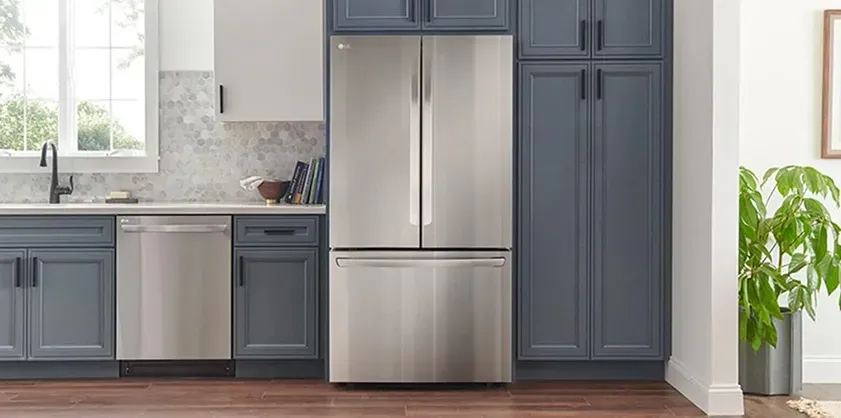
French Door Refrigerators: Wide shelves and spacious drawers make these ideal for families who store large platters or multiple beverage bins.
-
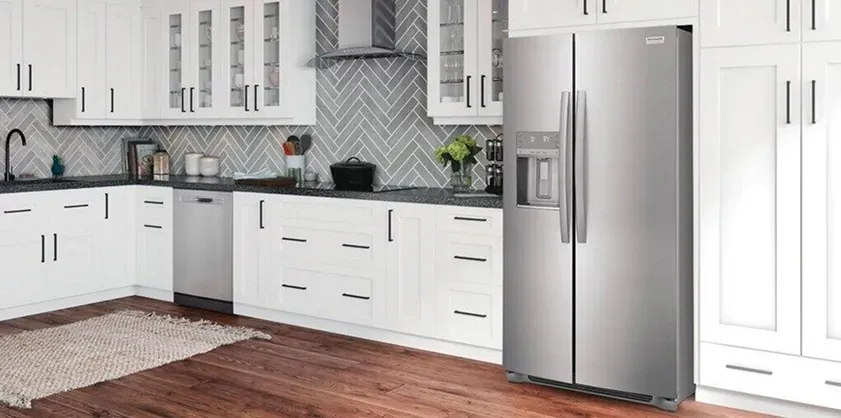
Side-by-Side Refrigerators: Balanced freezer and fridge access; great for narrow kitchens, but can limit wide-item storage.
-
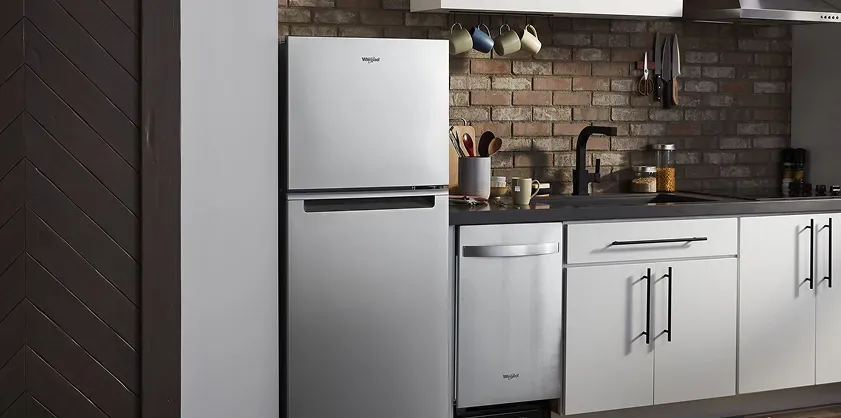
Top Mount Refrigerators: Traditional style with freezer on top. Efficient for smaller spaces and budgets.
-
Bottom Freezer Refrigerators: Fridge at eye level for easier access; freezer space is lower and may require bending.
-
Built-In Refrigerators: Sleek design integrated into cabinetry; higher capacity, often customizable.
-
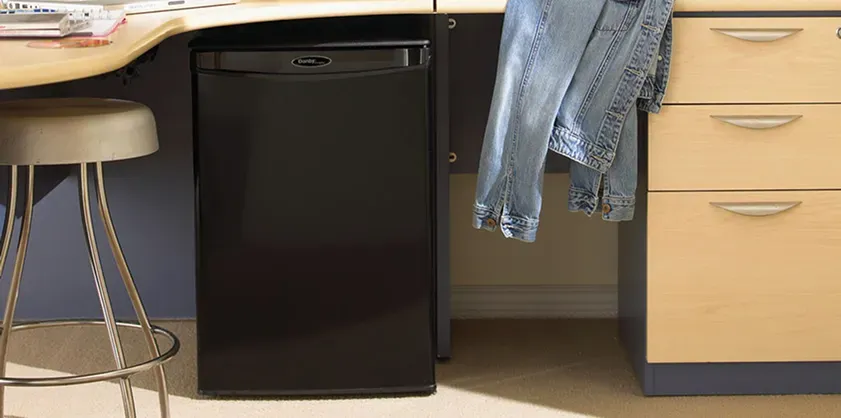
Specialty Refrigerators: Wine coolers, beverage centers, and compact units for specific needs.
-
Freezers: Stand-alone freezers can supplement your fridge storage, especially for bulk buying.
Each style has unique advantages and can influence the total usable space. For instance, French doors offer wide shelves that make storing platters and large containers easy, whereas side-by-sides prioritize accessibility but reduce shelf width.
How to Calculate the Right Refrigerator Size for Your Family
To choose the perfect size, consider these factors:
-
Number of Household Members: Each person typically requires 4-6 cubic feet of fridge space. For a family of four, a refrigerator in the 20-25 cubic foot range is often ideal.
-
Shopping Habits: Frequent bulk shoppers or those who buy frozen goods in large quantities may need more freezer space. Smaller, frequent shoppers can get by with less.
-
Meal Prep and Entertaining: If you prepare meals ahead of time or entertain often, additional storage for platters, beverages, and condiments is crucial.
A simple formula to estimate your needs:
Family Members × 4-6 cubic feet = Recommended Fridge Size
This formula helps ensure that everyone in the household has enough space for daily essentials.
Space Planning for Your Kitchen
Even the perfect refrigerator won’t work if it doesn’t fit in your kitchen layout. Here’s what to consider:
-
Measure Carefully: Account for height, width, and depth. Don’t forget clearance for ventilation.
-
Door Clearance: Ensure doors can swing fully open without hitting walls, cabinets, or islands.
-
Walkway Space: Leave at least 36 inches for kitchen traffic in front of the fridge.
-
Future-Proofing: Consider potential kitchen renovations or appliance upgrades to avoid replacing a perfectly good refrigerator prematurely.
Accessories and Organizational Options
Maximizing your refrigerator’s usability often comes down to accessories and organization:
-
Refrigerator Accessories: Shelving inserts, storage bins, and humidity-controlled drawers help you make the most of your space.
-
Drawer Dividers and Bins: Keep fruits, vegetables, and deli items neatly separated.
-
Door Organizers: Perfect for beverages, condiments, and frequently used items.
Proper organization can often make a smaller refrigerator feel more spacious while improving food visibility and reducing waste.
Find the Right Size Refrigerator for Your Family at Jessup’s
Finding the right refrigerator size doesn’t have to be overwhelming. Explore Jessup’s full selection of refrigerators to find a model that fits your family’s lifestyle and kitchen perfectly. From French door to bottom freezer units, Jessup’s offers expert guidance and high-quality appliances to meet every household's needs.
Visit one of our appliance stores in Sarasota, Venice, or Port Charlotte, FL, or browse online to compare features, see what’s in stock, and find the right fit for your home. Don’t forget to explore our appliance clearance center!
Read more from our blog:
FAQs: How to Choose the Right Size Refrigerator for Your Family
How many cubic feet of fridge do I need for a family of four?
A family of four typically needs 20-25 cubic feet of refrigerator space. This provides enough room for daily groceries, meal prep, and occasional bulk purchases.
Can a smaller fridge save money on energy bills?
Yes. Smaller refrigerators generally use less energy, reducing electricity costs. However, if your fridge is too small, you may waste food, which can offset energy savings.
What’s the difference between a top mount and bottom freezer refrigerator?
Top mount refrigerators have the freezer on top and are often more affordable, while bottom-freezer models place the fridge at eye level for easier access and better organization.
How do I know if a French door or side-by-side is right for my kitchen?
French doors provide wider shelves for large trays and platters, ideal for families who cook or entertain often. Side-by-sides are easier to fit into narrow spaces and balance freezer access but limit wide-item storage.
Related Articles