
How to Keep Your Kitchen Cool While Cooking in the Summer
Wed May 20 2026
- Design & Inspiration
- Kitchen Appliances
Cooking during the summer can quickly turn your kitchen into the hottest room in the house. Between ovens, cooktops, dishwashers, and Florida humidity, even simple meals can make your kitchen feel uncomfortable fast.
The good news is that you don’t have to stop cooking just because temperatures rise. With the right appliances, better ventilation, and a few strategic cooking habits, you can significantly reduce kitchen heat while still making meals at home.
Whether you’re dealing with a compact kitchen, an open-concept layout, or simply trying to make cooking more comfortable during the hottest months of the year, these tips can help.
Key Takeaways: How to Keep Your Kitchen Cool
-
Use proper ventilation, like range hoods and ceiling fans, to remove heat and steam
-
Cook during cooler times of day to reduce heat buildup
-
Use smaller appliances like microwaves and induction cooktops instead of full-size ovens
-
Outdoor cooking can dramatically reduce indoor kitchen temperatures
-
Modern appliances can help improve energy efficiency and reduce ambient heat
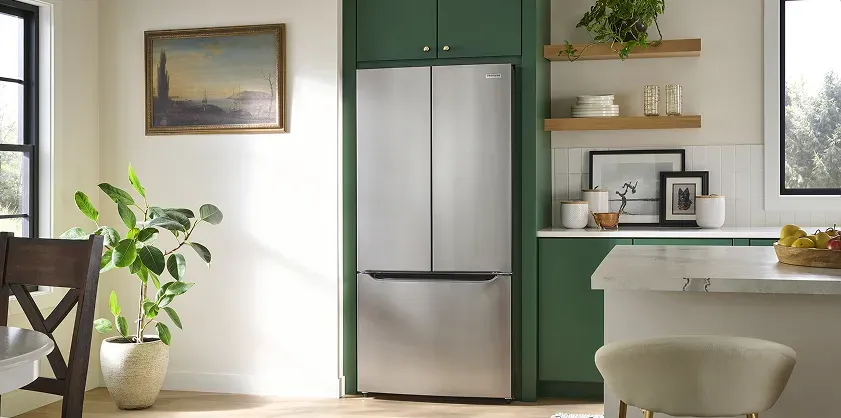
Why Does Your Kitchen Get So Hot While Cooking?
Most kitchen heat comes from appliances generating thermal energy inside a relatively enclosed space.
Traditional ovens, cooktops, ranges, and even dishwashers release heat into the air while operating. Gas cooking appliances can also produce additional radiant heat, making kitchens feel warmer more quickly.
Other factors that contribute to kitchen heat include:
-
Poor ventilation
-
Limited airflow
-
Direct sunlight through windows
-
Small kitchen layouts
-
Heat-producing appliances placed close together
-
Humidity buildup from steam and cooking moisture
In warmer climates like Florida, kitchens can retain heat even after cooking ends, especially if airflow is limited.
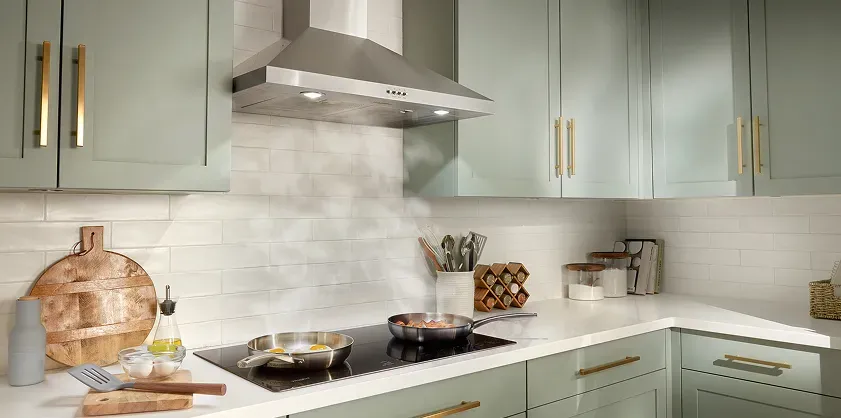
Can a Range Hood Actually Help Keep Your Kitchen Cool?
Yes, proper kitchen ventilation is one of the most effective ways to reduce cooking heat.
A quality range hood removes:
-
Steam
-
Smoke
-
Grease particles
-
Hot air generated during cooking
This helps prevent heat from lingering in your kitchen long after meals are finished.
Tips for Using Your Range Hood Effectively
-
Turn the hood on before cooking starts
-
Use higher fan speeds during high-heat cooking
-
Let the fan run for several minutes after cooking
-
Clean filters regularly for better airflow
A properly vented hood can make a noticeable difference, especially during long cooking sessions or when using the oven.
Cook During Cooler Parts of the Day
One of the easiest ways to reduce kitchen heat is to avoid cooking during the hottest hours of the afternoon.
Many homeowners find that cooking early in the morning, later in the evening, or meal prepping ahead of time helps prevent heat from building throughout the day. This strategy is especially effective during summer because outdoor temperatures directly impact how hard your kitchen cooling system has to work.
Batch cooking can also help reduce how often you need to use heat-producing appliances during the week.
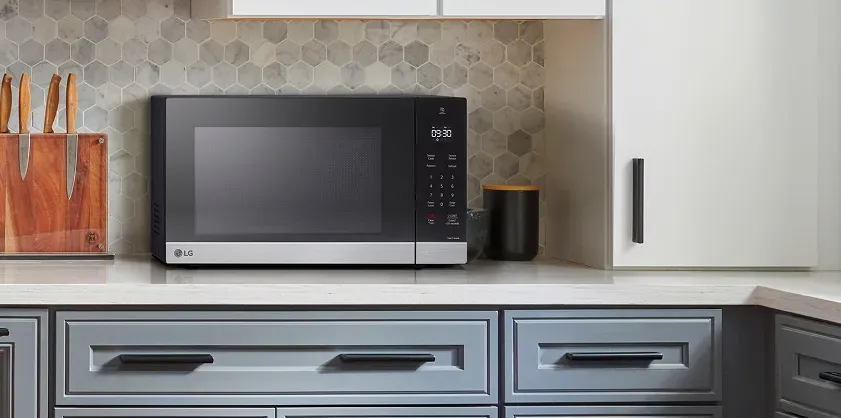
Use Smaller Appliances Instead of the Oven
Large ovens generate a significant amount of ambient heat. Smaller cooking appliances often produce less excess heat while still handling everyday cooking tasks efficiently.
Microwaves
Microwaves generate far less ambient heat than conventional ovens and are ideal for reheating, steaming, and quick meals.
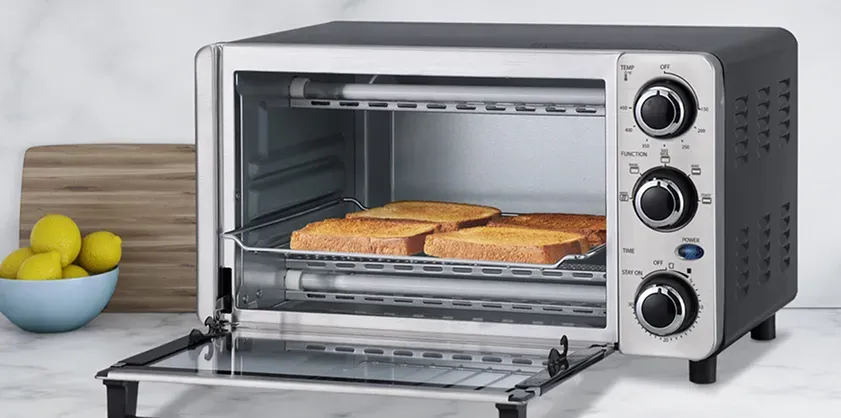
Air Fryers and Toaster Ovens
Smaller cooking chambers require less energy and heat up faster than full-size ovens. They also release less heat into the room overall.
These appliances work especially well for:
-
Frozen foods
-
Small meals
-
Roasting vegetables
-
Reheating leftovers
Induction Cooktops
Induction cooktops are one of the best options for keeping kitchens cooler.
Unlike gas or traditional electric cooking, induction heats the cookware directly instead of heating the surrounding air. This results in:
-
Faster cooking times
-
Less wasted heat
-
Improved energy efficiency
-
Cooler kitchen temperatures overall
Induction is particularly beneficial in smaller kitchens where heat buildup becomes noticeable quickly.
Consider Outdoor Cooking
Moving heat-producing cooking outdoors is one of the fastest ways to cool down your kitchen.
Grilling outside prevents indoor heat buildup while still allowing you to prepare full meals.
Outdoor cooking works well for:
-
Proteins
-
Vegetables
-
Pizza ovens
-
Side dishes
-
Meal prep cooking
Many Florida homeowners rely heavily on grills during the summer to reduce strain on indoor cooling systems.
Improve Airflow Throughout the Kitchen
Air circulation matters just as much as temperature.
Even small airflow improvements can make kitchens feel significantly more comfortable while cooking.
Ways to Improve Kitchen Airflow
-
Use ceiling fans to circulate air
-
Open windows when humidity allows
-
Create cross-ventilation with multiple airflow points
-
Use portable fans away from cooking flames
-
Keep pathways around appliances clear
Good airflow helps remove trapped heat before it settles into cabinets, countertops, and surrounding rooms.
Keep Sunlight and Heat Out
Direct sunlight can dramatically increase kitchen temperatures during the day.
Simple changes can help reduce solar heat gain:
-
Use blackout curtains or shades
-
Install UV-blocking window film
-
Close blinds during peak afternoon sun
-
Use lighter window treatments that reflect heat
This can help your kitchen stay cooler before cooking even begins.
Use Energy-Efficient Appliances
Older appliances often generate more excess heat and use more energy than newer models.
Modern refrigerators, cooktops, and wall ovens are designed with:
-
Better insulation
-
Improved airflow systems
-
More efficient compressors
-
Smarter temperature controls
This can help reduce ambient heat while improving overall kitchen performance.
Don’t Forget About Humidity
Steam and moisture can make kitchens feel even hotter than they actually are.
Dishwashers, boiling water, and simmering foods increase indoor humidity levels, which can make the space feel heavier and less comfortable.
To reduce humidity:
-
Run ventilation during and after cooking
-
Cover pots when possible
-
Avoid boiling water unnecessarily
-
Let dishwashers cool before opening
Lower humidity often makes kitchens feel cooler immediately.
Appliance Features That Can Help Reduce Kitchen Heat
Modern appliances are designed to improve efficiency while reducing unnecessary heat output.
Features worth considering include:
-
Convection cooking for faster cook times
-
Induction technology
-
Better insulated ovens
-
Variable-speed ventilation systems
These upgrades can improve comfort while also reducing overall energy consumption.
Staying Comfortable While Cooking in the Summer
Summer cooking doesn’t have to mean overheating your kitchen.
With smarter cooking habits, improved ventilation, and the right appliances, you can keep your kitchen more comfortable while still enjoying home-cooked meals. Small changes, like using induction cooking, running your range hood properly, or cooking during cooler hours, can make a major difference over time.
Looking for appliances that help keep your kitchen cooler and more efficient?
At Jessup’s, we carry induction cooktops, ventilation systems, refrigerators, and energy-efficient appliances designed for modern kitchens and Florida living.
Visit one of our appliance stores in Sarasota, Venice, or Port Charlotte, FL, or browse online to compare units from top appliance brands in the industry to find the best options that fit your home and lifestyle needs.
Read more from our blog:
FAQs: How to Keep Your Kitchen Cool While Cooking in the Summer
How do I keep my kitchen cool while cooking in the summer?
Using proper ventilation, cooking during cooler hours, and relying on smaller appliances can help reduce kitchen heat significantly. Range hoods and ceiling fans also improve airflow and remove steam from the room. Many homeowners also switch to outdoor cooking or induction cooking during hotter months. Small changes in cooking habits can make a noticeable difference.
Does a range hood really cool the kitchen?
A range hood helps remove hot air, steam, smoke, and grease particles created during cooking. While it doesn’t function like an air conditioner, it can dramatically improve airflow and reduce heat buildup. Venting outside is much more effective than recirculating systems. Running the hood before and after cooking also improves performance.
Is induction cooking cooler than gas?
Yes, induction cooktops produce less ambient heat because they heat cookware directly instead of heating the surrounding air. This makes kitchens feel noticeably cooler during cooking. Induction cooking is also highly energy efficient and often heats food faster than traditional cooking methods. Many homeowners choose induction specifically for comfort and efficiency.
What appliances produce the least kitchen heat?
Microwaves, air fryers, toaster ovens, and induction cooktops generally produce less ambient heat than traditional ovens and gas ranges. These smaller appliances require less energy and heat smaller cooking spaces. They’re ideal for quick meals and summer cooking. Using them strategically can help reduce overall kitchen temperature.
Why does my kitchen stay hot after cooking?
Heat can remain trapped in kitchens due to poor ventilation, limited airflow, and heat-retaining surfaces like cabinets and countertops. Humidity from cooking also contributes to discomfort after meals are finished. Running fans and ventilation systems longer can help remove lingering heat. Modern appliances with better insulation may also reduce residual heat buildup.
Related Articles