
Common Dishwasher Problems and How to Fix Them
Thu Mar 26 2026
- Maintenance & Care
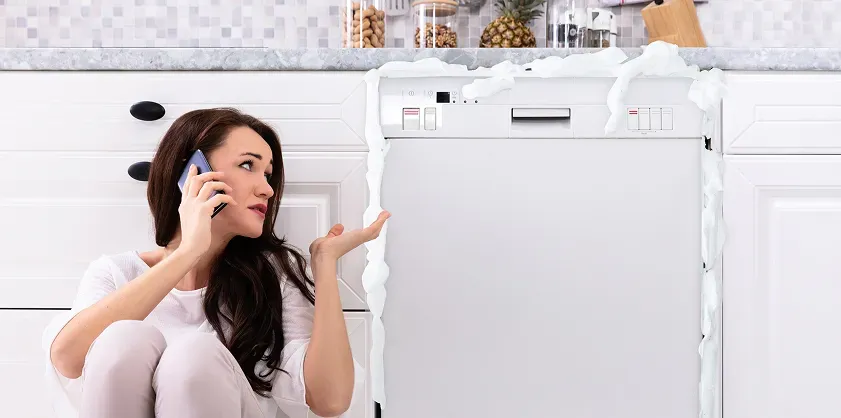
Dishwashers are designed to make life easier, but when they stop working properly, they can quickly become one of the most frustrating appliances in the kitchen. Whether dishes come out dirty, water collects at the bottom of the tub, or strange noises appear during a cycle, many dishwasher problems have surprisingly simple solutions.
Before scheduling a repair appointment or replacing your appliance, it’s worth trying a few troubleshooting steps. In many cases, routine cleaning, proper loading, or a quick inspection of key components can restore your dishwasher’s performance.
Below are some of the most common dishwasher problems and how to fix them.
What Are the Most Common Dishwasher Problems?
Some of the most frequent dishwasher complaints include:
-
The dishwasher won’t drain
-
The dishwasher won’t start
-
Bad odors inside the dishwasher
-
Loud or unusual noises
-
Dishes that don’t dry properly
-
Dishes that still come out dirty
Let’s take a closer look at each problem and how you can troubleshoot it.
Problem 1: Dishwasher Won’t Drain
One of the most common dishwasher issues is standing water at the bottom of the tub after a cycle. In many cases, this happens because something is blocking the dishwasher’s drainage system.
How to Fix a Dishwasher That Won’t Drain
-
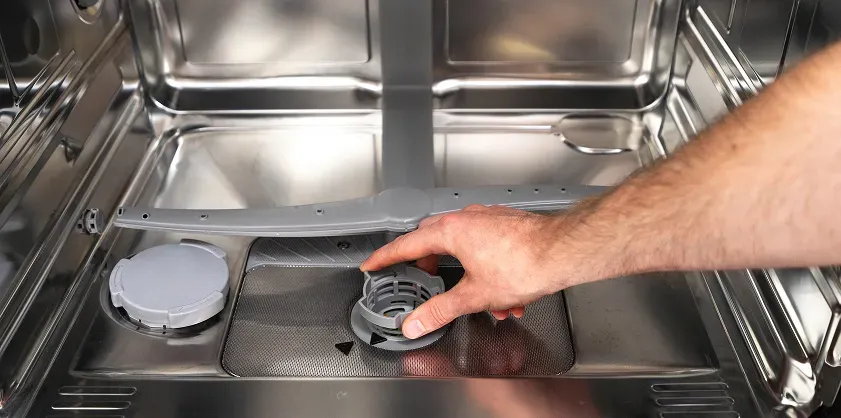
Clean the filter: Dishwasher filters trap food particles and debris. When they become clogged, water can’t drain properly. Remove the filter and rinse it under warm water to clear buildup.
-
Inspect the drain hose: Check the hose that connects the dishwasher to the sink drain or garbage disposal. If the hose is kinked or clogged, water may not be able to flow out.
-
Run the garbage disposal: If your dishwasher drains through the disposal, food waste buildup can block the drain line. Running the disposal briefly can sometimes clear the issue.
-
Clean the air gap: Many sinks have a small air gap device near the faucet that prevents backflow. If it becomes clogged with debris, your dishwasher may stop draining.
If none of these fixes solves the problem, the issue may involve the drain pump or internal plumbing, which may require professional repair.
Problem 2: Dishwasher Won’t Start
If your dishwasher doesn’t respond when you press the start button, the issue may be electrical or related to the door mechanism.
How to Troubleshoot a Dishwasher That Won’t Start
-
Check the door latch: Dishwashers will not start if the door is not securely closed. Inspect the latch and make sure nothing is blocking it.
-
Reset the dishwasher: Sometimes appliances simply need a reset. Turn off the dishwasher at the circuit breaker for a minute, then turn it back on.
-
Check for a child lock setting: Many modern dishwashers include a control lock feature that prevents accidental operation.
-
Confirm power supply: Make sure the appliance is plugged in and the outlet is functioning properly.
If the dishwasher still won’t start, the control panel or electronic board may need service.
Problem 3: Dishwasher Smells Bad
A dishwasher should clean dishes, not smell like old food. Odors usually develop when food particles or grease accumulate inside the appliance.
How to Fix a Smelly Dishwasher
-
Clean the filter and drain area: Food debris trapped in the filter or drain area is a common source of odor.
-
Run a cleaning cycle: Place a bowl of white vinegar on the top rack and run the hottest cycle. Vinegar helps dissolve grease and remove odors.
-
Clean door seals and gaskets: Grease and food particles can accumulate along the rubber door seals. Wipe them down with warm, soapy water.
Running a cleaning cycle once a month helps prevent odors and buildup.
Problem 4: Dishwasher Is Too Loud
Modern dishwashers are designed to operate quietly, often below 45 decibels. If your appliance suddenly becomes noisy, something may be interfering with its operation.
What Causes Dishwasher Noise?
Loose utensils: Silverware or small objects may fall into the bottom of the dishwasher and interfere with the spray arms.
Blocked spray arms: If dishes or utensils prevent spray arms from rotating freely, the dishwasher may produce grinding or rattling sounds.
Debris in the pump: Pieces of glass or food particles can sometimes become trapped in the pump assembly.
If your dishwasher is more than 10 years old and is becoming louder, it may be a sign that internal components are wearing out.
Problem 5: Dishwasher Isn’t Drying Dishes
Many homeowners notice that plastic containers or cups remain wet after the cycle finishes.
How to Improve Dishwasher Drying Performance
-
Use rinse aid: Rinse aid helps water slide off dishes, improving drying results and reducing water spots.
-
Choose heated dry settings: Some eco modes reduce drying heat to save energy. Switching to a heated dry option may improve results.
-
Unload the bottom rack first: Water from the top rack can drip onto dishes below if the bottom rack is removed last.
-
Check the heating element: If the heating element is damaged, your dishwasher may struggle to dry dishes effectively.
Problem 6: Dishwasher Runs, but Dishes Are Still Dirty
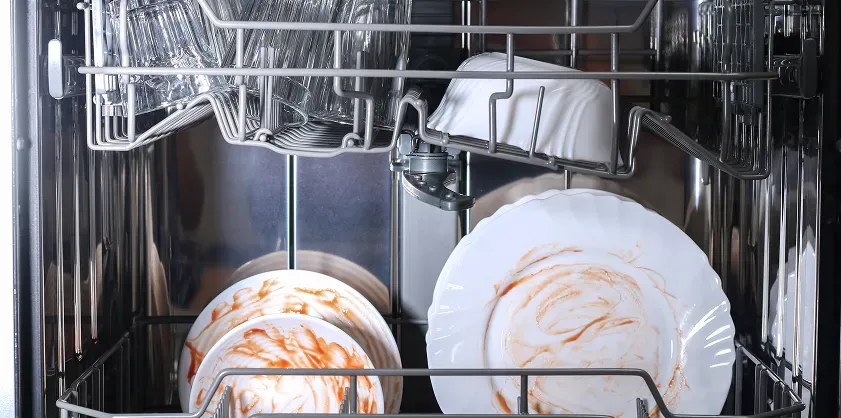
If dishes come out with food residue or cloudy film, several factors could be interfering with cleaning performance.
How to Fix a Dishwasher That Isn’t Cleaning Properly
-
Clean the spray arms: Food debris can block the tiny holes in spray arms, preventing water from reaching dishes.
-
Avoid overloading the dishwasher: Overcrowding prevents water and detergent from circulating properly, which can leave dishes dirty.
-
Use the right detergent: Low-quality or expired detergent may not dissolve properly.
-
Check water temperature: Dishwashers perform best when incoming water reaches about 120°F, which helps break down grease and food particles.
-
Maintain the filter: A dirty filter can recirculate food particles back onto dishes instead of removing them.
Preventing Dishwasher Problems
Regular maintenance can help prevent many common dishwasher issues.
Easy Maintenance Tips
-
Clean the dishwasher filter once per month
-
Run a cleaning cycle with vinegar or a dishwasher cleaner
-
Check spray arms for clogs
-
Avoid overloading racks
-
Use proper detergent and rinse aid
Simple maintenance habits can keep your dishwasher performing efficiently for years.
When It’s Time to Replace Your Dishwasher
Even well-maintained appliances eventually reach the end of their lifespan. Most dishwashers last around 10 years, depending on usage and maintenance.
You may want to consider upgrading if:
-
Repairs cost more than half the price of a new unit
-
The dishwasher frequently leaves dishes dirty
-
The appliance is unusually loud or inefficient
-
You want newer features like quieter operation or smart controls
Newer dishwashers are designed with improved cleaning technology, quieter motors, and better energy efficiency.
Explore Dishwashers at Jessup’s
Troubleshooting common dishwasher issues can often solve the problem quickly. But if your appliance is older or repairs are becoming frequent, upgrading to a newer model may provide better performance, quieter operation, and improved energy efficiency.
Exploring modern dishwashers can help you find an appliance that fits your kitchen, cleaning needs, and lifestyle.
Visit one of our appliance stores in Sarasota, Venice, or Port Charlotte, FL, or browse online to compare dishwashers from top appliance brands in the industry to find the best dishwashers that fit your home and lifestyle needs.
Read more from our blog:
FAQs: Common Dishwasher Problems and How to Fix Them
What is the most common dishwasher problem?
Clogged filters are one of the most common dishwasher problems. Food debris buildup can affect draining, cleaning performance, and even cause odors.
Why does my dishwasher leave residue on dishes?
Residue can result from blocked spray arms, hard water, improper loading, or using the wrong detergent.
How often should I clean my dishwasher filter?
Most manufacturers recommend cleaning the filter about once per month to maintain proper performance.
Why is there standing water in my dishwasher?
Standing water is often caused by clogged filters, blocked drain hoses, or issues with the garbage disposal connection.
How long should a dishwasher last?
The average dishwasher lifespan is about 10 years, although proper maintenance can extend its life.
Related Articles