
How to Get Rid of Old Appliances Responsibly
Fri Dec 26 2025
- Maintenance & Care
Getting rid of an old appliance isn’t always as simple as setting it on the curb. Refrigerators, washers, dryers, ovens, and dishwashers contain metals, refrigerants, electronics, and components that require careful, environmentally responsible disposal. Whether you’re upgrading your kitchen, replacing a broken unit, or remodeling your entire home, knowing how to dispose of old appliances properly can help you reduce waste, protect the environment, and even save money.
This guide explains the safest and smartest ways to recycle, donate, or dispose of appliances, along with expert tips to make the process easy and stress-free.
Why Responsible Appliance Disposal Matters
Appliances contain materials that can harm the environment if not handled correctly. For example:
-
Refrigerators and freezers contain refrigerants and insulation that must be reclaimed safely.
-
Washers, dryers, dishwashers, and ovens contain metal, wiring, and electronics that can be recycled.
-
Electronic components may contain heavy metals requiring specialized processing.
When you dispose of appliances responsibly, you help:
-
Reduce landfill waste
-
Lower greenhouse gas emissions
-
Support materials recovery and recycling
-
Keep hazardous chemicals out of the environment
Plus, many recycling programs repurpose metal and components from old appliances to build new products.
1. Use Local Recycling or Bulk Collection Programs
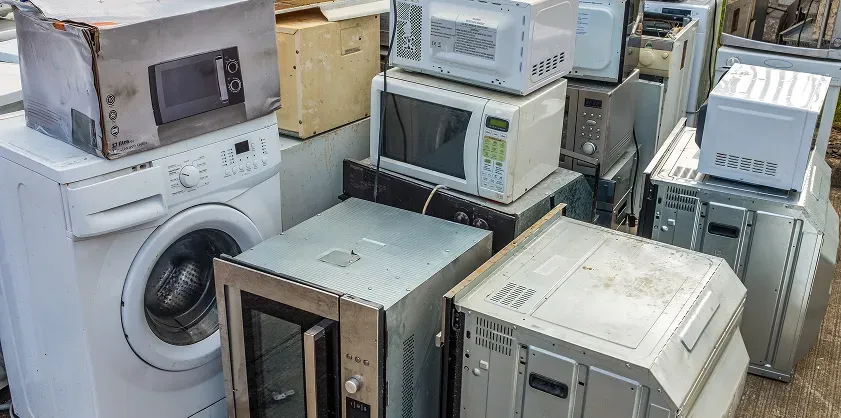
Many cities offer bulk waste pickup or appliance recycling programs designed to safely remove old units. These programs typically accept common household appliances such as:
Check with your local waste management department to schedule a pickup. Keep in mind that refrigerators often require an additional fee due to the removal of refrigerants.
2. Donate Appliances That Are Still in Working Condition
If your appliance is still functional, donating it is one of the most environmentally friendly options. Many charities, non-profits, and community organizations accept gently used appliances. Some even offer free pickup.
Donating benefits:
-
Families in need
-
Local shelters and community centers
-
Habitat for Humanity® and similar organizations
-
College students and new renters
Before donating, make sure the appliance:
-
Works properly
-
Has no major damage or rust
-
Is clean and unplugged prior to pickup
Donating extends the life of the appliance and reduces waste while helping your local community.
3. Explore Retailer Haul-Away Services
When purchasing a new appliance, many retailers offer haul-away services that remove your old unit at the same time they deliver the new one. This is one of the easiest options for homeowners.
Most haul-away programs ensure your old appliance is recycled or disposed of properly, giving you peace of mind without the hassle.
4. Use Certified Scrap or Metal Recycling Centers
If you want to dispose of an old, non-working appliance yourself, consider taking it to a certified scrap metal yard or recycling center. These facilities can safely dismantle your unit and recycle usable components.
They often accept:
-
Steel shells
-
Copper wiring
-
Motors
-
Aluminum components
-
Electronic panels
Many scrap facilities also pay for certain metals, which may help offset disposal costs.
5. Work With EPA-Certified Technicians for Refrigerant Appliances
Refrigerators, freezers, and some air-cooling units contain refrigerants that must be removed by EPA-certified technicians. These chemicals can be harmful if released into the atmosphere, so it’s crucial to work with professionals.
Certified technicians can:
-
Safely reclaim refrigerants like R-134a or R-600a
-
Remove insulated foam materials
-
Ensure the unit is recycled according to federal guidelines
Your local recycling center or appliance retailer can direct you to certified providers.
6. Trade-In or Rebate Programs
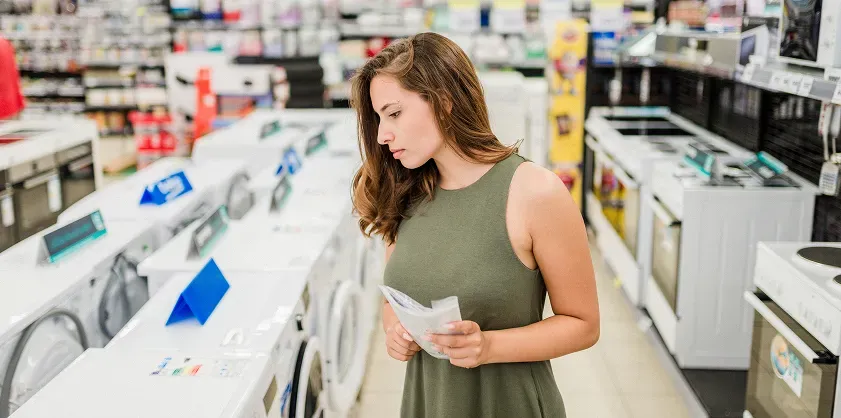
Some municipalities and energy-efficiency programs offer cash rebates or trade-in credits when you replace an older appliance with a new ENERGY STAR® model. This is a win-win: you dispose of the old appliance responsibly and save money on the new purchase.
These programs commonly apply to:
-
Refrigerators
-
Freezers
-
Dishwashers
-
Washers and dryers
-
Heat pump appliances
Always check eligibility and pickup details before scheduling removal.
7. Resell or List Online If the Appliance Still Works
If you want to offset the cost of your upgrade, consider selling your used appliance. Online marketplaces like Facebook Marketplace, Craigslist, OfferUp, and local neighborhood groups are popular options.
Tips for selling successfully:
-
Take clear photos
-
Note any imperfections
-
Clean the appliance thoroughly
-
Be honest about age and performance
Gently used appliances, especially washers, dryers, and refrigerators, are often in high demand among renters, students, and families furnishing homes on a budget.
8. Prepare Your Appliance for Safe Removal
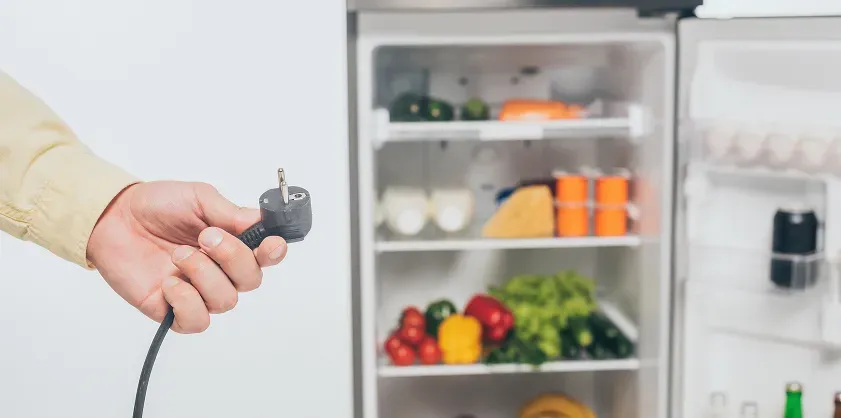
Before recycling, donating, selling, or hauling away an appliance, take precautions to ensure safety:
-
Unplug the unit at least 24 hours before removal
-
Clean out all food or debris
-
Remove racks, bins, or shelves
-
Tape doors shut to prevent injuries
-
Disconnect water lines for washers, refrigerators, and dishwashers
These simple steps help transporters avoid injury and reduce the risk of leaks or damage during removal.
Upgrade Your Appliances with Confidence at Jessup’s
If you're replacing an old appliance, make sure your next one is energy-efficient, reliable, and the right fit for your home. Jessup’s carries a wide selection of kitchen, laundry, and home appliances to make upgrading easy.
We offer selections from top brands in the appliance industry for appliance categories across your home living space. Visit one of our appliance stores in Sarasota, Venice, or Port Charlotte, FL, or browse online to see what’s in stock and find the right fit for your home. Don’t forget to explore our appliance clearance center!
Read more from our blog:
FAQs: How to Get Rid of Old Appliances Responsibly
Can I leave old appliances on the curb for trash pickup?
In most areas, no. Large appliances require special recycling or handling due to refrigerants, metals, and electronics.
What should I do with a refrigerator that no longer works?
Work with an EPA-certified technician or haul-away service to safely remove refrigerants and recycle the unit responsibly.
Can old appliances be donated?
Yes, if they work and are in good condition. Many charities will accept refrigerators, washers, dryers, ranges, and dishwashers.
Are there benefits to recycling old appliances?
Recycling reduces landfill waste, conserves materials, and helps prevent harmful chemicals from entering the environment.
Does Jessup’s offer removal services for old appliances?
Many retailers provide haul-away options when you purchase a new unit. Ask Jessup’s during checkout for available services.
Related Articles